

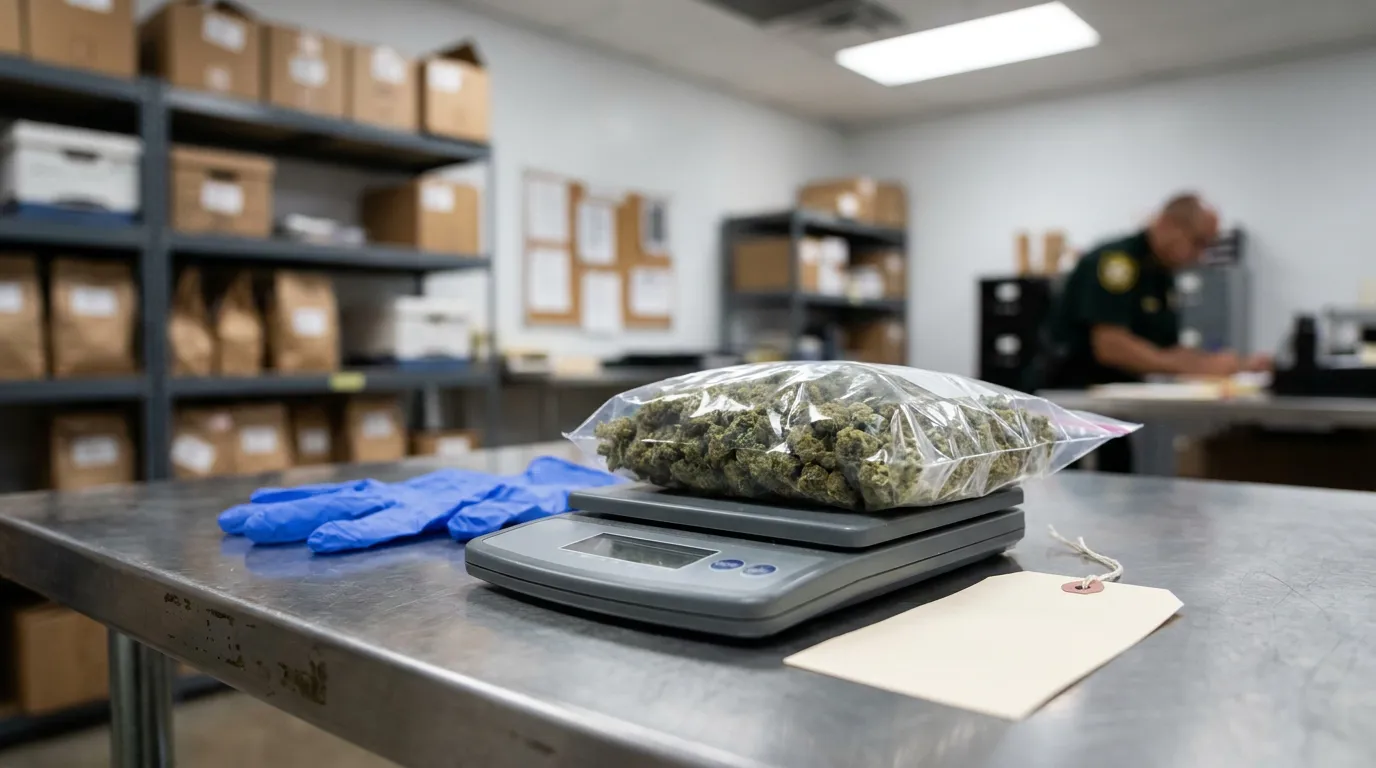
What Happens When Police Find More Than 20 Grams of Marijuana in Florida?
 Robert Malove
Crossing the 20-Gram Line: How a Marijuana Charge Becomes a Felony
Key Takeaways: In Florida, having more than 20 grams of marijuana is generally a third-degree felony under Fla. Stat. § 893.13(6)(a), carrying up to five years in prison and a $5,000 fine. Having 20 grams or less is usually a first-degree misdemeanor. The misdemeanor exception covers only plant cannabis, not resin or products made from resin, so THC concentrates like wax, shatter, and many vape cartridges may be charged as felonies no matter how small the amount, unless the product is lawful hemp or legal medical marijuana. Having, selling, buying, making, delivering, or bringing into Florida more than 25 pounds of cannabis, or 300 or more plants, is generally trafficking, which carries mandatory minimum prison terms. Police may arrest without a warrant when they have probable cause, and each county’s State Attorney’s Office sets its own charging and diversion rules. Defenses may challenge unlawful stops and searches, weight and lab testing, and whether the State can prove you knew about and controlled the marijuana. A felony record can affect jobs, housing, and licenses for years, so speaking with a defense lawyer early can help protect your options.
If police find more than 20 grams of marijuana on you in Florida, the charge generally moves from a misdemeanor to a third-degree felony. Twenty grams is less than an ounce, and many people are surprised that so little can change their whole case. A felony can carry up to five years in prison and a $5,000 fine, and a conviction can show up on background checks for years. The good news is that a charge is not a conviction. The prosecution must prove every element beyond a reasonable doubt, and a court may throw out unlawfully gathered evidence.
If you or someone you love was arrested this week, acting early can keep more options open. The Law Offices of Robert David Malove defends people facing Florida drug charges in Fort Lauderdale and across South Florida. Call 954-861-0384 or contact us now to talk through your situation.
How Florida Law Sorts Marijuana Possession by Weight
Florida sets marijuana possession penalties mainly by weight. Under Fla. Stat. § 893.13(6)(a), having a controlled substance without a valid prescription or other legal right is generally a third-degree felony. Florida lists cannabis as a Schedule I substance, so this rule covers it. Fla. Stat. § 893.13(6)(b) makes an exception for smaller amounts: having 20 grams or less is generally a first-degree misdemeanor. You can read the full text in Florida’s drug abuse statute.
The Misdemeanor Side of the Line
At 20 grams or less, the charge is generally a first-degree misdemeanor. Under Fla. Stat. §§ 775.082 and 775.083, that can mean up to one year in county jail and a fine of up to $1,000. Under Fla. Stat. § 893.13(3), giving someone 20 grams or less without payment is also a first-degree misdemeanor. A misdemeanor is still a criminal charge and can still leave a record.
The Felony Side of the Line
Once the weight goes over 20 grams, prosecutors can file a third-degree felony. Under Fla. Stat. §§ 775.082 and 775.083, that can carry up to five years in prison and a fine of up to $5,000. Longer sentences may be possible if habitual offender rules under § 775.084 apply. A judge does not have to impose the maximum. Your prior record, sentencing scoresheet, the facts of the arrest, and local State Attorney policies can all affect the outcome.
| Amount of Cannabis | Typical Charge | Statute | Potential Penalty |
|---|---|---|---|
| 20 grams or less | First-degree misdemeanor | Fla. Stat. § 893.13(6)(b) | Up to 1 year jail, $1,000 fine |
| More than 20 grams | Third-degree felony | Fla. Stat. § 893.13(6)(a) | Up to 5 years prison, $5,000 fine |
| Over 25 lbs. to under 2,000 lbs. (or 300 to under 2,000 plants) | First-degree felony trafficking | Fla. Stat. § 893.135(1)(a)1 | 3-year mandatory minimum, $25,000 fine |
| 2,000 lbs. to under 10,000 lbs. (or 2,000 to under 10,000 plants) | First-degree felony trafficking | Fla. Stat. § 893.135(1)(a)2 | 7-year mandatory minimum, $50,000 fine |
| 10,000 lbs. or more (or 10,000 or more plants) | First-degree felony trafficking | Fla. Stat. § 893.135(1)(a)3 | 15-year mandatory minimum, $200,000 fine |
Why the 20 Grams Marijuana Felony Florida Rule Has Exceptions
The 20-gram exception covers only plant cannabis, so prosecutors can charge concentrates differently. For Fla. Stat. § 893.13(6)(b), "cannabis" does not include resin taken from the plant or anything made from that resin. So THC concentrates like hashish, wax, shatter, and many vape cartridges generally fall outside the misdemeanor exception, and even a very small amount could lead to a third-degree felony charge. Florida law treats lawful hemp products, and products held legally under the medical marijuana program, differently.
Weight disputes are also common. The gap between 19 grams and 21 grams can decide whether you face a misdemeanor or a felony. Common questions include whether police weighed the packaging, whether the scale was accurate, and whether the lab actually tested the substance.
💡 Pro Tip: Write down everything you remember about the stop, the search, and the items police took while your memory is fresh.
When Larger Amounts Lead to Trafficking Charges
Possession can become trafficking when the amount gets large enough. Under Fla. Stat. § 893.135(1)(a), knowingly selling, buying, making, delivering, bringing into Florida, or actually or constructively possessing more than 25 pounds of cannabis, or 300 or more plants, is a first-degree felony called "trafficking in cannabis." Every tier carries a mandatory minimum prison term that the court must impose on conviction. Narrow exceptions may apply, such as a reduced sentence for helping law enforcement under § 893.135(4).
How Florida Ranks These Offenses
Florida’s Criminal Punishment Code gives each offense a severity level. Under Fla. Stat. § 921.0022(3)(h), trafficking in at least 2,000 but less than 10,000 pounds of cannabis is a Level 8 offense. Higher levels generally lead to higher sentencing scores. You can review the chart in Florida’s sentencing code.
What Typically Happens After Police Find Marijuana
Police often make the arrest on the spot. Under Fla. Stat. § 893.13(6)(e), an officer may arrest without a warrant when the officer has probable cause to believe a person is violating Chapter 893’s cannabis possession rules. For a small misdemeanor amount, some agencies may instead issue a notice to appear. The case then usually moves to a first appearance, a bond decision, and a charging decision by the State Attorney’s Office.
Every County Handles Cases Differently
Local prosecutors set their own policies on minor possession and diversion. The State Attorney’s Office in Broward County may handle a case differently from offices in Miami-Dade, Palm Beach, or Orange County. Some first-time cases may qualify for pretrial diversion or drug court, depending on the facts and local policy. A Fort Lauderdale drug defense lawyer who knows the local office can help you understand which options may be realistic.
Defenses to Felony Marijuana Possession Charges
A strong defense starts with whether police followed the law. The Fourth Amendment and Article I, Section 12 of the Florida Constitution protect you from unreasonable searches and seizures. If the stop, search, or arrest was unlawful, a court may throw out the evidence. A defense attorney may look at:
- Whether the officer had a legal reason to stop you
- Whether you truly agreed to the search of your own free will
- Whether a search warrant was valid and police stayed within its limits
- Whether the State can prove you knew about the marijuana and had control over it
- Whether the lab properly tested, weighed, and stored the substance
Possession cases often turn on who actually controlled the marijuana. When police find drugs in a shared car or home, the State may rely on "constructive possession," meaning it must show you knew the marijuana was there and could control it. Florida courts generally won’t assume knowledge and control just because you were nearby. No defense guarantees a result.
💡 Pro Tip: Politely decline to answer questions about the marijuana until you have spoken with a lawyer. What you say during or after an arrest is often the State’s strongest proof.
Medical Marijuana and Why a Record Matters
Florida’s medical marijuana program protects you only if you follow its rules. Qualified patients with an active registry ID card may possess limited amounts under Fla. Stat. § 381.986. They must buy from a licensed medical marijuana treatment center, stay within approved supply limits, and keep the product in its original packaging. Prosecutors may still charge possession outside those rules under Chapter 893.
A felony conviction can follow you for years. It may show up on background checks and make it harder to get jobs, housing, and professional licenses. Talking with a 20 grams marijuana felony Florida lawyer early can help protect evidence, spot search problems, and explore options before key deadlines pass.
Frequently Asked Questions
1. Is having more than 20 grams of marijuana always a felony in Florida?
No, not always, but prosecutors can generally charge possession of more than 20 grams of cannabis as a third-degree felony under Fla. Stat. § 893.13(6)(a). Prosecutors decide what to file, and they may reduce or divert some cases. Lawful medical marijuana possession under program rules is not a crime.
2. Can a small amount of THC wax be a felony?
Yes, in some cases. Fla. Stat. § 893.13(6)(b) leaves resin and resin products out of the 20-gram misdemeanor exception. So prosecutors may charge THC concentrates as a third-degree felony no matter how small the amount, unless the product is lawful hemp or legal medical marijuana.
3. Will I go to prison for a first felony marijuana possession charge?
Not necessarily. The maximum is five years, but judges weigh many factors, including the sentencing scoresheet. First-time cases may have other options such as diversion or probation, depending on the county.
4. Can police arrest me without a warrant for marijuana?
Generally, yes. Fla. Stat. § 893.13(6)(e) allows an arrest without a warrant when an officer has probable cause to believe you are violating cannabis possession laws. Your defense can challenge whether probable cause actually existed.
5. When does possession become trafficking?
Under Fla. Stat. § 893.135(1)(a), trafficking generally starts at more than 25 pounds of cannabis or 300 or more plants. Trafficking carries mandatory minimum prison terms that grow with the amount.
Protecting Your Future After a Marijuana Arrest
The 20 grams marijuana felony Florida threshold can turn what seems like a minor arrest into a serious case. The weight, the type of product, how police found it, and local prosecution policies can all shape what happens next. For more on Florida drug laws and defenses, see our Florida criminal defense blog.
You do not have to face this alone. The Law Offices of Robert David Malove can review your arrest, explain your options, and work to protect your rights. Call 954-861-0384 or schedule your consultation today.
Disclaimer: This content is for informational purposes only and is not legal advice. Every case is unique, and results may vary. Consult an attorney about your specific circumstances.